Best Social Media Platforms for Ads: Choosing the Right Fit for Your Small Business
Choosing the right social media platform for ads matters for small businesses that want to grow reach and engagement. Each platform has different features and audiences, so match them to your goals. This article reviews top social media platforms, their strengths for small businesses, key targeting options, typical costs, and lead-generation tactics for restoration services. By the end, you’ll have a clear sense of how to use social media for effective advertising.
Social media’s impact on modern business strategy is clear.
Social Media’s Impact on Small Business Advertising
Social media marketing now drives digital transformation, reshaping how businesses approach advertising, strategy, customer engagement, and value creation. This piece outlines social media’s role in raising brand visibility, encouraging customer interaction, and creating value across economic, functional, and social dimensions.
The Impact of Social Media On The Advertising Competitiveness Of Small Businesses, CR Hall, 2014
Which Social Media Platforms Offer the Best Ads for Small Businesses?
Several social platforms stand out for social media marketing. Each has specific strengths that suit different marketing approaches.
- Facebook : With over 2.96 billion monthly active users as of early 2024, Facebook offers extensive targeting options and diverse ad formats, making it ideal for reaching a broad audience.
- Instagram : As a visually-driven platform, Instagram is perfect for brands that can showcase their products through engaging images and videos, appealing particularly to younger demographics.
- LinkedIn : This platform is tailored for B2B marketing, providing excellent opportunities for lead generation through professional networking and targeted advertising.
- TikTok : Rapidly gaining popularity, TikTok allows businesses to create short, engaging videos that can go viral, making it a great option for brands targeting younger audiences.
How Do Facebook and Instagram Ads Compare for Small Business Marketing?
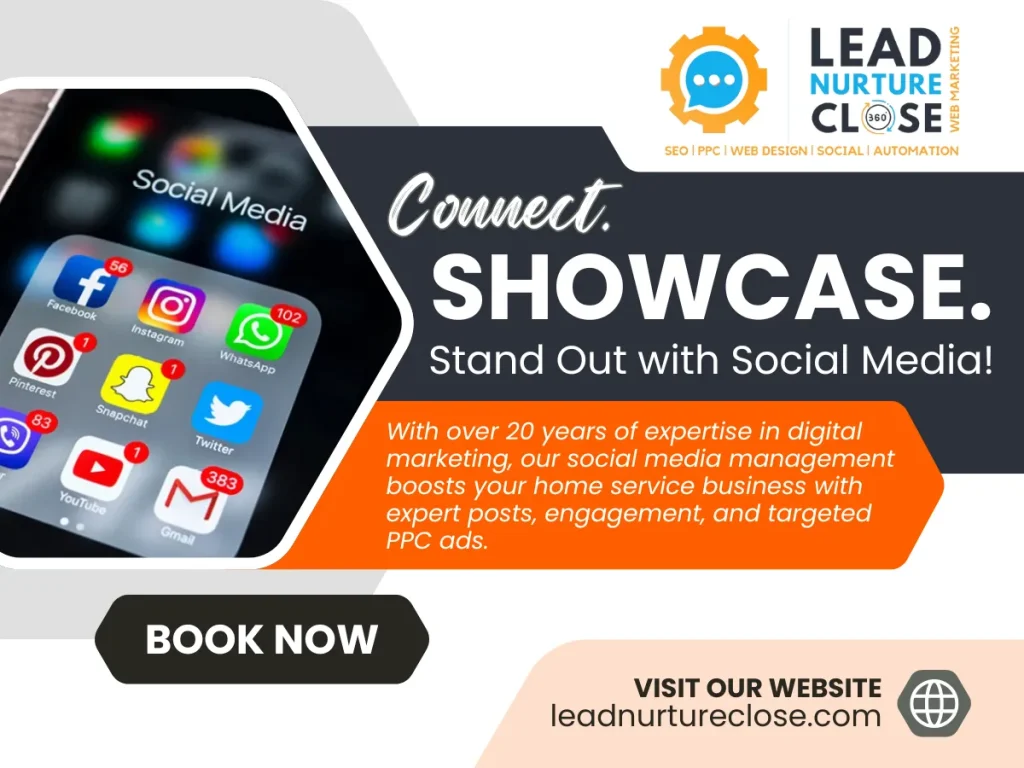
Facebook and Instagram often run together but meet different needs. Facebook offers many formats—carousel, video, slideshow—that you can tailor to audience segments. Instagram relies on visual storytelling and suits brands with strong imagery. Both support detailed targeting by behaviour, interests, and demographics; Facebook’s larger data set gives a small precision edge.
What Are the Benefits of LinkedIn Advertising for B2B Lead Generation?
LinkedIn works well for B2B lead generation because its audience is professional. You can target by job title, industry, and company size to reach decision-makers. Sponsored content and InMail let you engage directly, making it easier to nurture leads and build professional relationships.
What Are the Key Social Media Ad Targeting Options Available?
Targeting is essential to make social ads work. Platforms offer several ways to reach your ideal audience.
- Location Targeting : This feature enables businesses to target users based on their geographic location, which is particularly useful for local businesses.
- Interest Targeting : By targeting users based on their interests and behaviors, businesses can ensure their ads are seen by individuals likely to engage with their products or services.
- Behavioral Targeting : This advanced targeting option allows businesses to reach users based on their online behavior, such as past purchases or website visits.
How Does Facebook Ad Targeting Help Reach Restoration Service Customers?
Facebook’s targeting suits restoration businesses: use demographic filters to reach homeowners in chosen areas and geo-target to show ads within a specific radius. Pair that targeting with before-and-after photos or customer testimonials to boost ad effectiveness on social media platforms.
What Emerging Targeting Features Do TikTok and Other Platforms Offer?
New platforms like TikTok add targeting tools that improve ad performance. TikTok’s algorithm places ads where engaged users will see them, and features like hashtag targeting and user-generated campaigns let brands join trends and connect more authentically.
How Much Does Social Media Advertising Cost for Small Businesses?
Knowing ad costs helps you budget. Expenses vary by platform, ad format, and the targeting options you choose.
Even with different costs, social media gives small businesses ways to run effective marketing without massive spend.
Cost-Effective Social Media Marketing for Small Businesses
Small businesses often lack resources for large marketing spends; however, digital tools like social media make it possible to build cost-effective and efficient marketing and communication strategies.
How a cost-effective social media plan can make a difference for small businesses, S Bandyopadhyay, 2016
| Platform | Average Cost per Click | Average Cost per Lead | Recommended Budget |
|---|---|---|---|
| $0.97 | $18 | $500 – $1,000 | |
| $1.20 | $25 | $500 – $1,000 | |
| $5.26 | $75 | $1,000 – $2,000 | |
| TikTok | $1.00 | $20 | $500 – $1,000 |
The table shows average advertising costs across platforms to help you plan your budget.
What Are Typical Budgets for Facebook and Instagram Ads?
Small businesses commonly allocate $500–$1,000 per month for Facebook and Instagram. That range supports testing formats and targeting. Facebook’s average CPC is about $0.97 and Instagram’s is slightly higher at around $1.20. Use these figures to guide your budget decisions.
How to Plan and Optimize ROI for Social Media Ad Spend?
To improve ROI, set clear goals and track performance regularly. Key approaches include:
- Setting Clear Goals : Define what success looks like, whether it’s increased website traffic, lead generation, or brand awareness.
- Understanding Target Audience : Utilize analytics to understand who is engaging with your ads and adjust targeting accordingly.
- Monitoring Performance : Regularly review ad performance metrics to identify what works and what doesn’t, allowing for timely adjustments.
How Can Social Media Ads Generate Emergency Leads for Restoration Services?
Social ads can drive emergency leads for restoration services by using targeted campaigns to reach people who need immediate help.
- Targeted Advertising Strategies : Focus on local targeting to reach homeowners who may require restoration services due to emergencies like water damage or fire.
- Engaging Content Examples : Use compelling visuals and testimonials to build trust and credibility with potential customers.
- Building Trust and Credibility : Highlighting customer reviews and showcasing successful restoration projects can enhance credibility and encourage leads to reach out.
What Strategies Boost Lead Nurturing Through Facebook Ads?
Use these tactics to nurture leads via Facebook ads:
- Targeted Advertising : Use custom audiences to retarget individuals who have previously engaged with your content or visited your website.
- Engaging Content : Create ads that provide value, such as tips for homeowners on preventing damage or maintaining their property.
- Automated Follow-Ups : Implement chatbots or automated messaging to respond to inquiries promptly, ensuring potential leads feel valued and informed.
How to Integrate Free Estimate Offers in Social Media Campaigns?
Adding free-estimate offers to campaigns can boost lead generation. Effective steps include:
- Showcasing Local Projects : Highlight recent restoration projects in your area to demonstrate expertise and attract local customers.
- Targeted Ads for Offers : Create ads specifically promoting free estimates, ensuring they reach homeowners in need of restoration services.
- Clear Call-to-Action : Use strong calls-to-action in your ads, encouraging potential customers to request their free estimate easily.
What Are the Latest 2026 Trends in Social Media Advertising?
In 2026 several trends are shaping social media advertising. Staying aware of these changes helps businesses adapt strategies effectively.
- Emerging Platforms : New platforms are gaining traction, offering fresh opportunities for advertising.
- New Advertising Features : Social media platforms are continuously evolving, introducing new features that enhance ad targeting and engagement.
- Trends in User Engagement : Understanding how users interact with content can inform more effective advertising strategies.
Which Platforms Are Growing Fastest for Small Business Ads?
TikTok and Snapchat are growing quickly, especially among younger users. They offer distinct ad options: TikTok’s short videos let brands connect in dynamic ways, while Snapchat’s interactive formats drive engagement.
Visual content—especially video—and interactive formats are key drivers of effectiveness on these platforms.
Digital Advertising Trends & Social Media Platform Effectiveness
Research finds that video content captures attention and holds consumer interest longer than text or static images, while allowing more complex and emotional messaging. Social media supports two-way interaction between brands and consumers, which strengthens relationships and increases loyalty. Using video across platforms like YouTube, Facebook, Instagram, and TikTok tends to raise engagement and conversions.
Digital advertising trends and effectiveness in the modern era: a systematic literature review, IJ Prasetyo, 2025
How Are New Features Impacting Restoration Service Marketing?
New platform features are changing restoration marketing: sharper targeting reaches relevant demographics more efficiently, interactive ad formats boost engagement, and AR ads let customers visualise restoration work in their own homes.
Frequently Asked Questions
What factors should small businesses consider when choosing a social media platform for advertising?
Choose platforms based on your target audience, the content you can produce, and your budget. Know where your audience spends time, match ad formats and targeting to your goals, and review competitors’ approaches for useful ideas.
How can small businesses measure the success of their social media advertising campaigns?
Measure success with KPIs like click-through rate (CTR), conversion rate, and return on ad spend (ROAS). Use platform analytics to track engagement and reach, review results regularly, and adjust campaigns to improve performance.
What are some common mistakes small businesses make in social media advertising?
Common mistakes include not setting clear goals, poor audience targeting, and failing to engage with followers. Many also underinvest in visuals and ad copy or neglect performance tracking. Avoiding these errors improves campaign outcomes on social media platforms.
How often should small businesses post ads on social media?
Post consistently but don’t overwhelm your audience. For Facebook and Instagram, aim for about 3–5 posts per week, then watch engagement and tweak frequency based on results.
What role does content quality play in social media advertising effectiveness?
High-quality visuals, strong copy, and clear calls-to-action boost engagement and conversions. Good content builds trust and platforms often favour it algorithmically. Investing in design and storytelling pays off.
Are there specific strategies for targeting local customers through social media ads?
Yes. Use location targeting on social media platforms like Facebook and Instagram to reach users within a set radius. Use local language, highlight community work and nearby projects, and tie ads to local events to increase relevance.
How can small businesses stay updated on social media advertising trends?
Stay current by following industry blogs, joining webinars, subscribing to platform newsletters, and networking with other businesses. Local marketing events and online forums also offer practical updates and tips.
Conclusion
Picking the right social media platform can improve your small business’s reach and engagement. Use each platform’s strengths—Facebook, Instagram, LinkedIn, and TikTok—to target the right audience and make the most of your budget. Knowing costs and tactics helps you choose wisely and drive results. Start testing ads and refine them to grow your business.