Maximize Leads with Automated Marketing for Home Services
Home service companies face strong competition and must improve lead conversion while streamlining operations. Automated marketing is a practical way to deliver consistent lead nurturing and reduce manual workload. This article outlines strategies and tools to help home service businesses maximise leads with automation, covering lead nurturing, CRM and scheduling integration, and ways to measure marketing automation ROI. It addresses common conversion challenges and offers actionable guidance to optimise marketing performance.
Lead Nurturing Techniques
Lead nurturing engages prospects across the buyer journey. Effective techniques raise conversion rates through timely, personalised communication. Key strategies include:
- Timely Follow-Ups : Prompt responses to inquiries matter. Automated follow-up sequences ensure no lead is left unattended and increase the chance of engagement.
- Personalization in Communication : Tailor messages based on a lead’s interests and past interactions to create relevance and connection, improving the odds of conversion.
- Utilizing Automation Tools : Email marketing platforms and CRM systems can automate repetitive tasks, freeing teams to focus on relationship-building rather than logistics.
This comprehensive approach to lead nurturing is further supported by research highlighting the strategic role of marketing automation in delivering relevant content throughout the customer journey.
Marketing Automation for Lead Nurturing & Content Strategy
While digital marketing and marketing automation have been widely researched in the business-to-consumer context, this chapter examines marketing automation in business-to-business markets and the mechanisms of value co-creation. The inbound content marketing methodology is presented as a strategy to nurture, classify and track leads through the sales process and to ensure content is delivered to the correct audience. Results highlight the importance of providing useful and relevant content across digital platforms, including company websites, blogs, social networks and email marketing.
Marketing automation in business-to-business relationships and the emerged value cocreation, B Casais, 2021
Implementing these techniques helps home service businesses build a structured lead nurturing process that drives higher conversion rates.
Lead Nurture Close provides automated marketing solutions tailored to home service businesses to support improvements in lead conversion strategies.
CRM and Scheduling Integration
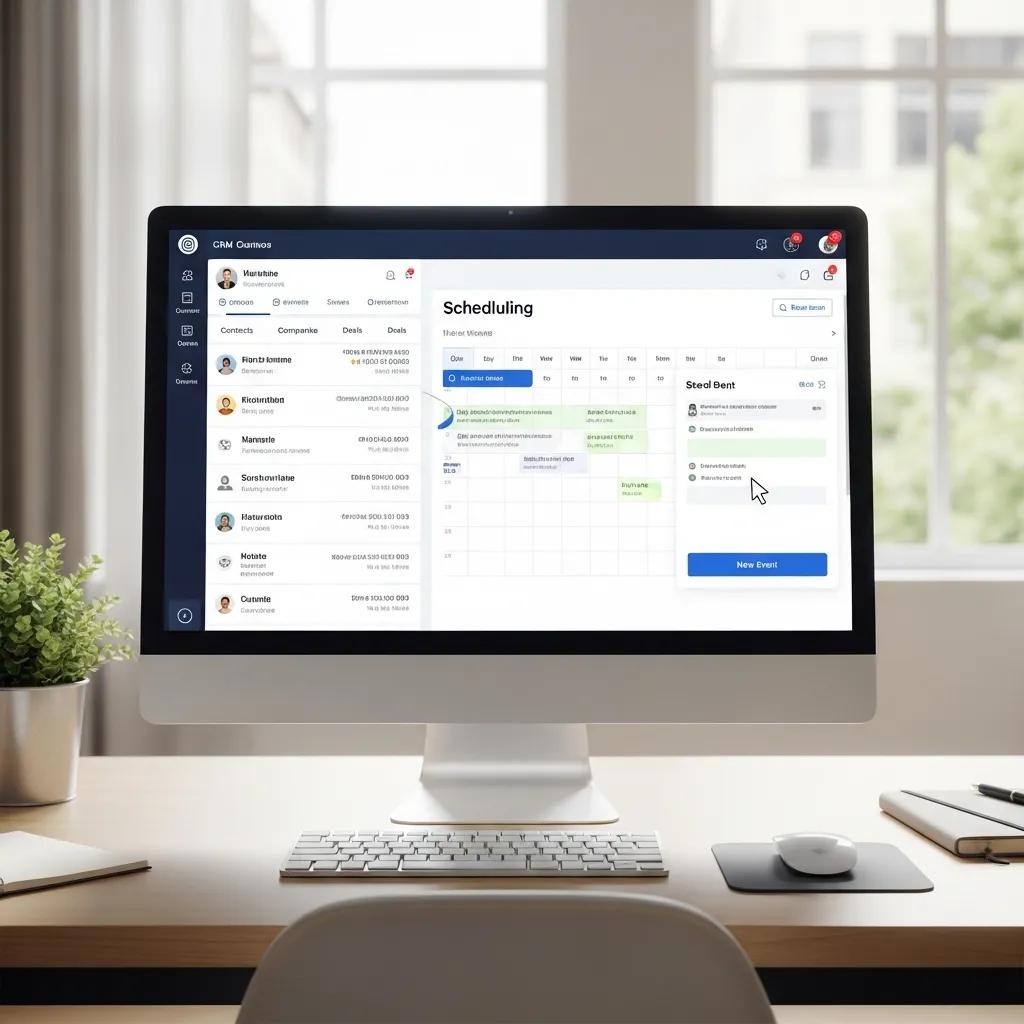
Integrating Customer Relationship Management systems with scheduling tools streamlines operations and improves lead management. This integration offers several benefits:
- Streamlined Operations : Connecting CRM with scheduling software lets businesses automate appointment bookings and reminders, reducing double bookings and missed appointments.
- Improved Lead Management : A unified system provides better tracking of leads and customer interactions so all team members share the same information.
- Enhanced Customer Experience : Automated scheduling and follow-ups create a smoother experience for customers, making engagement easier.
Combining CRM and scheduling systems boosts operational efficiency and the customer experience, contributing to higher conversion rates.
Measuring ROI of Marketing Automation
Measuring the return on investment of marketing automation is essential to justify spend and refine strategy. Key performance indicators to monitor include:
Indeed, the evolving landscape of technology and consumer demand underscores the critical need for marketing automation, making its measurability more vital than ever.
The Necessity and Measurability of Marketing Automation
Marketing automation has become a necessary response to rapid technological change and increasing market complexity. To achieve desired marketing outcomes, businesses must employ digital marketing and communication services that are efficient and measurable through tracking, scoring and implementation techniques. Technical progress, market fragmentation, demand for customized products and services, and the need for immediate, flexible customer dialogue have changed classical marketing approaches and driven continuous improvement.
Marketing automation, RD Todor, 2016
- Lead Conversion Rates : Track the percentage of leads that convert into customers to assess marketing effectiveness.
- Attribution Tracking Methods : Use tracking to identify which channels drive conversions for better resource allocation.
- Continuous Optimization Strategies : Regular analysis of performance data helps refine tactics so they stay aligned with business goals.
Focusing on these metrics gives home service providers a clearer view of marketing automation impact and supports data-driven decisions to improve lead conversion.
| Metric | Description | Value |
|---|---|---|
| Lead Conversion Rate | Percentage of leads that convert into customers | 20% |
| Average Cost per Lead | Total marketing spend divided by the number of leads generated | $50 |
| Customer Lifetime Value | Total revenue generated from a customer over their lifetime | $1,000 |
This table shows the value of tracking key metrics to evaluate marketing automation effectiveness.
Case Studies and Success Stories
Practical examples of successful lead conversion through automated marketing offer instructive insights for home service businesses. Here are a few notable cases:
- Company A : Implemented an automated follow-up system that increased lead conversion by 30% within three months. Personalized email sequences helped them engage leads more effectively.
- Company B : Integrated CRM with scheduling tools, cutting missed appointments by 25%. That boosted customer satisfaction and overall revenue.
- Company C : Measured marketing automation ROI and shifted advertising to the best channels, resulting in a 40% increase in lead generation.
These cases show how automated marketing strategies can materially improve lead conversion for home service businesses.
Frequently Asked Questions
What types of home service businesses can benefit from automated marketing?
Automated marketing helps many home service providers, including plumbing, electrical, HVAC, landscaping and cleaning services. These businesses often manage high lead volumes; automation supports efficient communication, consistent follow-up, improved engagement and higher conversion rates regardless of the specific services offered.
How can I choose the right automation tools for my home service business?
Choose tools by assessing needs, budget and required features. Prioritise platforms that offer CRM integration, email marketing and scheduling. Evaluate usability and vendor support, review peer recommendations and use free trials to confirm functionality before subscribing.
What are the common challenges in implementing automated marketing?
Common challenges include staff resistance, integrating with existing systems and the need for training. Teams may also struggle to create personalised content. Mitigate these risks by involving staff early, providing training and starting with a clear strategy and defined objectives.
How can I ensure my automated marketing messages are personalized?
Segment your audience by behaviour, preferences and demographics, and use historical interaction data to tailor communications. Implement dynamic email content that adapts to profiles and keep an accurate customer database to maintain relevance and boost conversion likelihood.
What metrics should I focus on to evaluate my automated marketing success?
Key metrics include lead conversion rate, customer engagement and ROI. Track conversion volume and rate, evaluate channel performance and monitor email open and click-through rates. Regular reviews reveal optimisation opportunities and guide adjustments.
Can automated marketing help reduce customer churn in home services?
Yes. Regular automated follow-ups, reminders and targeted offers maintain engagement and reduce churn. Automation enables timely responses to enquiries and supports re-engagement campaigns to recover past customers and strengthen long-term loyalty.
Conclusion
Automated marketing delivers streamlined lead nurturing, better customer engagement and measurable ROI. Integrating CRM and scheduling tools improves operational efficiency and creates a seamless customer experience. Implementing these strategies raises conversion rates and positions businesses for sustained success in a competitive market. Discover how tailored automated marketing solutions can elevate your lead conversion efforts today.